GeneLab database analyses suggest long-term impact of space radiation on the cardiovascular system by the activation of FYN through reactive oxygen species.
- Beheshti A, McDonald JT, Miller J, Grabham P, Costes SV
- February 3, 2019
This research explores how space radiation can affect our heart health using mice as a model organism. Scientists used special tools to study changes in gene activity within the mouse hearts after exposure to high levels of radiation, similar to what astronauts might experience during their missions. By identifying specific genes that are significantly affected by this kind of stress on cells, researchers can better understand potential health risks for people traveling or living in space environments where they're exposed to such conditions. The study involved carefully controlled experiments with mice and used advanced technology to analyze the changes at a molecular level within their heart tissues after radiation exposure. The findings could help scientists develop ways to protect astronauts from these risks or even lead to new treatments for people on Earth who might be affected by similar stresses, like those undergoing cancer treatment with radiation therapy. This research is a step forward in ensuring the safety and well-being of humans venturing into space while also potentially improving healthcare practices here at home.
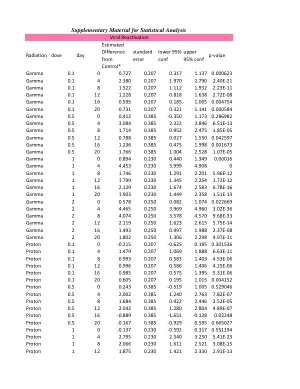
This research paper presents a comprehensive systems biology approach to identify key genetic drivers affected by space radiation on cardiovascular tissues. The study utilized microarray data from male C57BL/6 mice, which were exposed to an ionizing dose of 900 milligrays (mGy), and followed up for a period of 28 days post-exposure. The methodology involved the adjustment and quantile normalization of microarray data using RMAExpress software in R programming environment, which is widely recognized within genomic research communities. Subsequently, median collapsing was performed on probes to reduce noise before importing all datasets into MultiExperiment Viewer (MeV) for statistical analysis via ANOVA and t-tests with a p-value threshold of 0.05 or fold change greater than 1.2 between flight conditions versus ground controls, as appropriate. The key findings revealed statistically significant genes that were differentially expressed in cardiomyocytes post space radiation exposure compared to the control group on Earth.
MLA
A, Beheshti, et al. “GeneLab database analyses suggest long-term impact of space radiation on the cardiovascular system by the activation of FYN through reactive oxygen species..” PubMed Central, National Center for Biotechnology Information, https://www.ncbi.nlm.nih.gov/pmc/articles/PMC6387434/. Accessed 30 Sept 2026.
Chicago
A, Beheshti, et al. “GeneLab database analyses suggest long-term impact of space radiation on the cardiovascular system by the activation of FYN through reactive oxygen species..” PubMed Central. 30 September 2026. https://www.ncbi.nlm.nih.gov/pmc/articles/PMC6387434/.