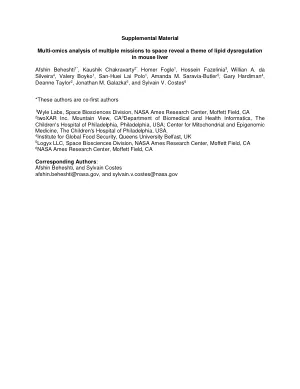
Multi-omics analysis of multiple missions to space reveal a theme of lipid dysregulation in mouse liver
- Beheshti A, Chakravarty K, Fogle H, Fazelinia H, Silveira WA, Boyko V, Polo SH, Saravia-Butler AM, Hardiman G, Taylor D, Galazka JM, Costes SV
- January 27, 2020
This research paper explores how space travel affects our health. Scientists studied mice that went on a trip to simulate what astronauts experience when they go into outer space for extended periods of time, like going to Mars or staying in orbit around Earth. They found something interesting: the liver cells (or hepatocytes) from these specialized mouse experiments showed changes similar to those seen in people with fatty liver disease on Earth-a condition where too much fat builds up inside the liver and can lead to serious health problems like diabetes or heart issues. The study used a technique called multi-omics, which looks at different aspects of biology (like genes, proteins, etc.) together in one analysis. This helped researchers understand that when mice were exposed to the conditions they would face on long space trips, their liver cells started producing more fat and less energy than usual-a sign called "lipid dysregulation." This discovery is important because it tells us how being away from Earth for a while could affect our bodies in ways we might not expect.
In this study published by Scientific Reports (2020), Afshin Beheshti et al. conducted a multi-omics analysis of mouse liver tissue from multiple space missions to uncover the effects of microgravity on hepatic function and metabolism, specifically focusing on alterations in gene expression related to mitochondrial activity and epigenetic modifications that could underlie observed physiological changes. Methodology: The researchers employed a combination of genomic (RNA sequencing), transcriptomic (microarrays), proteomic, lipidomics, metabolomic analyses, as well as mitochondrial and epigenetic profiling techniques to collect comprehensive data on the biological changes in mouse hepatic tissue. The samples were collected from mice that had been exposed to spaceflight conditions during multiple missions aboard NASA’s rodent research program (Roderick, 2019). Key Findings: A significant theme emerging from the multi-omics analysis was lipid dysregulation in mouse hepatic tissue.
MLA
A, Beheshti, et al. “Multi-omics analysis of multiple missions to space reveal a theme of lipid dysregulation in mouse liver.” PubMed Central, National Center for Biotechnology Information, https://www.ncbi.nlm.nih.gov/pmc/articles/PMC6985101/. Accessed 30 Sept 2026.
Chicago
A, Beheshti, et al. “Multi-omics analysis of multiple missions to space reveal a theme of lipid dysregulation in mouse liver.” PubMed Central. 30 September 2026. https://www.ncbi.nlm.nih.gov/pmc/articles/PMC6985101/.