Genomic characterization and radiation tolerance of Naganishia kalamii sp. nov. and Cystobasidium onofrii sp. nov. from Mars 2020 mission assembly facilities.
- Leo P, de Melo Texeira M, Chander AM, Singh NK, Simpson AC, Yurkov A, Karouia F, Stajich JE, Mason CE, Venkateswaran K
- August 11, 2023
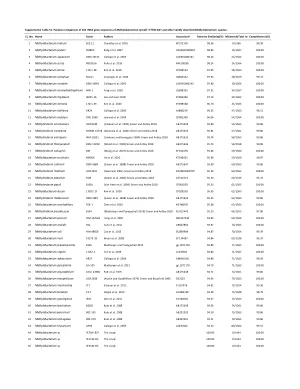
This research paper explores the differences between various species of a fungus called Goffeauzyma gastricus, which is related to yeast. The scientists studied different types or strains within this group and looked at how they differ from each other using statistical tests that show significance when p-values are very small (less than 0.05). They found significant differences in various characteristics among the species tested. These findings can help us understand more about these fungi, which could have implications for health and daily life since yeast is commonly used in food production like baking bread or brewing beer. Knowing how different strains of this fungus behave under certain conditions might lead to improvements in the quality of our favorite fermented products. Additionally, some species may play a role in environmental processes such as breaking down organic matter and could potentially help with waste management efforts on Earth. The study also highlights that even closely related microorganisms can have diverse characteristics which is important for scientists to know when studying their biology or potential uses.
This research paper presents a comprehensive study on the taxonomy and phylogenetic relationships of various species within the genus Naganishia, which are yeast-like fungi. The methodology employed in this investigation involved molecular techniques to analyze genetic material from different isolates collected globally as well as cultures maintained at CBS (Carlsberg Institute). Key findings include: 1. A total of 23 new species were described, expanding the known diversity within Naganishia and highlighting its ecological significance in various environments including soil samples from Antarctica to plant-associated habitats worldwide. 2. The study identified distinct genetic lineages among these isolates that correspond with their geographical origins as well as environmental niches, suggesting a complex evolutionary history influenced by factors such as climate and host availability. 3. A phylogenetic tree was constructed to elucidate the relationships between species within Naganishia based on DNA sequence data from multiple genes including ITS (Internal Transcribed Spacer), D1/D2 domains of large subunit rRNA, and RAPD markers.
MLA
P, Leo, et al. “Genomic characterization and radiation tolerance of Naganishia kalamii sp. nov. and Cystobasidium onofrii sp. nov. from Mars 2020 mission assembly facilities..” PubMed Central, National Center for Biotechnology Information, https://www.ncbi.nlm.nih.gov/pmc/articles/PMC10422843/. Accessed 01 Oct 2026.
Chicago
P, Leo, et al. “Genomic characterization and radiation tolerance of Naganishia kalamii sp. nov. and Cystobasidium onofrii sp. nov. from Mars 2020 mission assembly facilities..” PubMed Central. 01 October 2026. https://www.ncbi.nlm.nih.gov/pmc/articles/PMC10422843/.