Response of Arabidopsis thaliana and Mizuna mustard seeds to simulated space radiation exposures.
- Zhang Y, Richards JT, Feiveson AH, Richards SE, Neelam S, Dreschel TW, Plante I, Hada M, Wu H, Massa GD, Douglas GL, Levine HG
- January 19, 2022
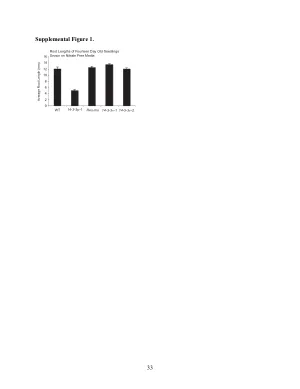
In this study, researchers looked at how space radiation from solar particle events (SPE) and galactic cosmic rays (GCR) can affect plants that we might want to grow in deep space missions like trips to the Moon or Mars. They found out that these types of high-energy particles could change both dry seeds and those soaked with water, which is important for starting new plant life on long journeys into space where fresh food can help astronauts stay healthy and happy mentally as well as physically. The study used special ground tests to simulate the harsh conditions of outer space that plants might face when exposed to radiation from SPE protons and GCR, showing us how these particles could impact our efforts in growing food for future deep-space explorations. This research is a step forward because it helps scientists understand what challenges they need to overcome if we want to grow fresh fruits and vegetables on long space trips where astronauts can't easily get supplies from Earth.
This research paper investigates the impact of solar particle event (SPE) protons and galactic cosmic rays (GCR) on plant life in space environments relevant to lunar and Mars explorations, with a focus on long-term food production for astronaut crews. The study's methodology involved ground-based GCR and SPE simulations alongside experiments using dry seeds and imbibed propagules exposed to radiation levels mimicking those in space. Key findings indicate that exposure to charged particles from both solar events and galactic cosmic rays significantly affect plant growth, with observable genotypic and phenotypic changes within the exclusion zone where plants were shielded against these radiations. The researchers found evidence suggesting altered biological processes in seeds due to radiation exposure that could influence germination rates, seedling development, as well as potential impacts on nutritional content of space-grown crops. The scientific implications are profound for future deep space missions where self-sufficiency is critical.
MLA
Y, Zhang, et al. “Response of Arabidopsis thaliana and Mizuna mustard seeds to simulated space radiation exposures..” PubMed Central, National Center for Biotechnology Information, https://www.ncbi.nlm.nih.gov/pmc/articles/PMC8879990/. Accessed 01 Oct 2026.
Chicago
Y, Zhang, et al. “Response of Arabidopsis thaliana and Mizuna mustard seeds to simulated space radiation exposures..” PubMed Central. 01 October 2026. https://www.ncbi.nlm.nih.gov/pmc/articles/PMC8879990/.