Characterization of the total and viable bacterial and fungal communities associated with the International Space Station surfaces.
- Checinska Sielaff A, Urbaniak C, Mohan GB, Stepanov VG, Tran Q, Wood JM, Minich J, McDonald D, Mayer T, Knight R, Karouia F, Fox GE, Venkateswaran K
- April 8, 2019
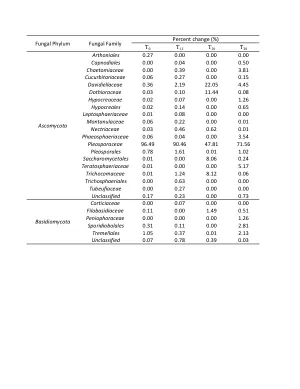
This research paper investigates the abundance of various bacteria and fungi in different environments. The scientists focused on common types like Staphylococcus, Bacillus, Streptococcus, Penicillium (a mold), Aspergillus (another type of mold), Fusarium (yet another kind of mold), and Cryptococcus. They looked at how many bacteria were present in different places like soil or water samples using two methods: cultivation on a special medium called PMA, which helps grow the microbes for counting; and PCR testing that detects their genetic material to estimate numbers even when they're hard to culture. The study found varying levels of these organisms in different locations, suggesting some places might be more prone to harboring harmful bacteria or beneficial fungi important for soil health.
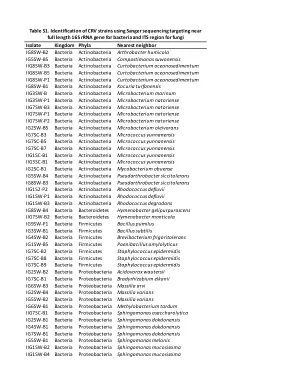
The research paper presents a comprehensive study on the abundance and diversity of bacterial species in various environmental samples, with an emphasis on Staphylococcus spp., Bacillus cereus, Streptococcus infantis, Paenibacillus jamilae, Pantoea conspicua, Klebsiella pneumoniae (including its quasipneumoniae variant), Acinetobacter pittii, and fungi such as Penicillium spp., Aspergillus fumigatus, Fusarium oxysporum. The methodology employed included cultivation-based techniques alongside polymerase chain reaction (PCR) to detect bacteria that are not readily culturable using standard methods. Key findings of the study indicate a significant presence and diversity of both Gram-positive and Gram-negative bacteria across different sampling locations, with Staphylococcus spp., Bacillus cereus, and Klebsiella pneumoniae being among the most abundant.
MLA
A, Checinska Sielaff, et al. “Characterization of the total and viable bacterial and fungal communities associated with the International Space Station surfaces..” PubMed Central, National Center for Biotechnology Information, https://www.ncbi.nlm.nih.gov/pmc/articles/PMC6452512/. Accessed 30 Sept 2026.
Chicago
A, Checinska Sielaff, et al. “Characterization of the total and viable bacterial and fungal communities associated with the International Space Station surfaces..” PubMed Central. 30 September 2026. https://www.ncbi.nlm.nih.gov/pmc/articles/PMC6452512/.