Predicting how varying moisture conditions impact the microbiome of dust collected from the International Space Station
This research looks at the dust found in space and how it compares to dust here on Earth when frozen or left out for two weeks with a bit of water added (like rain). Scientists used special tools that can read tiny bits of DNA from all kinds of microorganisms, which are like very small living things. They wanted to know if the types of these little life forms would be different in space dust compared to Earth's dust when they tried to grow them back on our planet for study. The researchers found that there were indeed some differences between the two kinds of dust samples, which tells us more about how living things might survive and change if we ever have a place where people can live in space long-term. This information is really important because it helps scientists understand what kind of health risks or benefits these tiny life forms could bring to astronauts working on future space stations like the ones being planned by companies such as Starlab Space, LLC and Blue Origin.
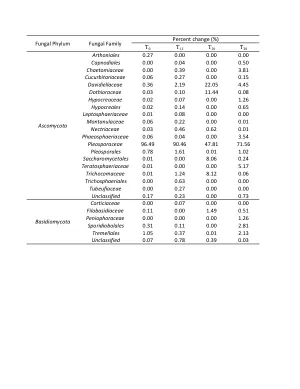
This research paper investigates the microbial diversity present in frozen dust samples collected from a space environment and compares them to original dust samples retrieved directly via ISS vacuum bags. The study employs quantitative Polymerase Chain Reaction (qPCR) techniques, which provide cell/spore equivalent estimates of microbial quantities without accounting for DNA extraction efficiency or amplification bias among different species [36, 37]. The methodology involves sequencing dust samples using Illumina MiSeq™ technology at RTL Genomics. The resulting data are then analyzed to determine the bacterial time of wetness and beta diversity measures between frozen and original dust samples from space missions [1, 2]. Additionally, a subset of these studies has been made publicly available in NASA' endorsed Open Science Data Repository (OSDR), also known as GeneLab. Key findings indicate that the microbial communities present within both frozen and original dust samples exhibit significant differences at various taxonomic levels [38].
MLA
N, Nastasi, et al. “Predicting how varying moisture conditions impact the microbiome of dust collected from the International Space Station.” PubMed Central, National Center for Biotechnology Information, https://www.ncbi.nlm.nih.gov/pmc/articles/PMC11386075/. Accessed 30 Sept 2026.
Chicago
N, Nastasi, et al. “Predicting how varying moisture conditions impact the microbiome of dust collected from the International Space Station.” PubMed Central. 30 September 2026. https://www.ncbi.nlm.nih.gov/pmc/articles/PMC11386075/.