Single-cell analysis identifies conserved features of immune dysfunction in simulated microgravity and spaceflight
- Wu F, Du H, Overbey E, Kim J, Makhijani P, Martin N, Lerner CA, Nguyen K, Baechle J, Valentino TR, Fuentealba M, Bartleson JM, Halaweh H, Winer S, Meydan C, Garrett-Bakelman F, Sayed N, Melov S, Muratani M, Gerencser AA, Kasler HG, Beheshti A, Mason CE, Furman D, Winer DA
- June 11, 2024
In this study, researchers looked at how the tiny structures inside cells called actin filaments behave under conditions that mimic space travel or when they are exposed to certain immune system triggers. They used special computer techniques and tools to examine these changes without harming any living creatures by taking pictures of individual blood cells from two people, one male and one female. The scientists found out how the actin filaments change in thickness inside a cell when it's put into simulated microgravity or exposed to immune system signals called TLR stimulation. They did this using advanced imaging technology that can see details smaller than what our eyes could detect, and they made sure their findings were accurate by comparing them with other ways of measuring the cells without harming anyone. This research is important because it helps us understand how living things might react to space travel or when dealing with immune system challenges on Earth. By studying these tiny cellular changes in detail, scientists can better prepare for future missions into space and improve treatments related to the body's defense mechanisms against diseases.
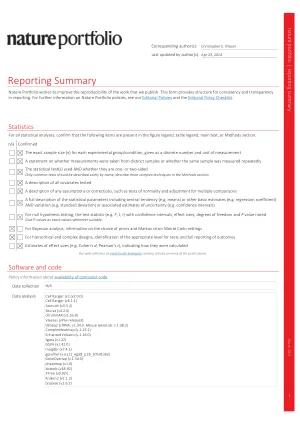
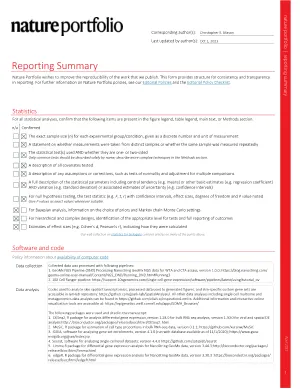
This research paper presents an innovative methodology for analyzing actin granularity spectrum changes in cells under simulated microgravity conditions using Fourier transformation-based Butterworth band pass filters. The study utilized Image Analyst MKII to process images of CD19 BV570 HIB19 and various antibody stained samples, including but not limited to CD28 (BV650), CD28.2 (CD28) BioLegend 302236; L243 Biolegend 307671 for actin granularity analysis and HLA-DR BV750, CYTEK R7-20041-100T SK3 (CD4) PerCP CD4 cFluor_YG584 CellProfiler 368506 for cell profiling. The key findings of this study revealed that the proposed technique is highly sensitive to sub-resolution changes in thickness of underlying filamentous structures, such as actin bundles within cells.
MLA
F, Wu, et al. “Single-cell analysis identifies conserved features of immune dysfunction in simulated microgravity and spaceflight.” PubMed Central, National Center for Biotechnology Information, https://www.ncbi.nlm.nih.gov/pmc/articles/PMC11166937/. Accessed 30 Sept 2026.
Chicago
F, Wu, et al. “Single-cell analysis identifies conserved features of immune dysfunction in simulated microgravity and spaceflight.” PubMed Central. 30 September 2026. https://www.ncbi.nlm.nih.gov/pmc/articles/PMC11166937/.