Direct RNA sequencing of astronaut blood reveals spaceflight-associated m6A increases and hematopoietic transcriptional responses
- Grigorev K, Nelson TM, Overbey EG, Houerbi N, Kim J, Najjar D, Damle N, Afshin EE, Ryon KA, Thierry-Mieg J, Thierry-Mieg D, Melnick AM, Mateus J, Mason CE
- June 11, 2024
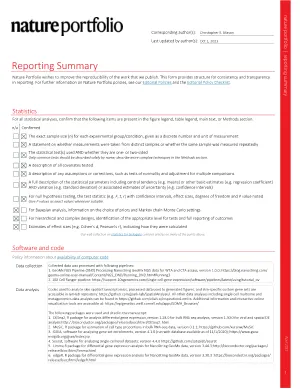
This research paper discusses how scientists have made important findings about changes that happen inside our bodies when we go to space. They used special tools and techniques to understand these changes better without confusing them with other factors like age or gender differences among the astronauts before they went on their journey, as well as different ways of recovering after returning from a trip in space. The researchers shared all this information online so that others can learn about it too. They also provided computer programs used for analyzing these changes and even tested some methods while aboard the International Space Station (ISS). This means they're working on ways to monitor astronauts’ health in real-time during space missions, which could help with future trips by private companies like SpaceX or public organizations such as NASA. The study also looks at how our genes behave differently when we are exposed to the unique environment of outer space and suggests that these changes can be studied further for more discoveries about human health in extreme conditions.
The research paper presents a comprehensive analysis aimed at understanding transcriptomic changes associated with spaceflight. The study utilized processed data available from the NASA Open Science Data Repository (OSDR), which includes datasets related to various aspects of human physiological responses during and after space missions, as well as RNA sequencing results obtained directly onboard the International Space Station (ISS). The methodology employed in this study involved several key steps: 1) Normalization techniques were applied to account for variations due to age, biological sex, pre-flight preparation differences, and post-flight recovery procedures. This was achieved using tools designed specifically for modeling such variation; 2) m6A RNA modification mapping (m6aNet), which is incompatible with secondary mappings retention, played a crucial role as it allowed the identification of specific transcriptomic changes related to space travel and microgravity exposure.
MLA
K, Grigorev, et al. “Direct RNA sequencing of astronaut blood reveals spaceflight-associated m6A increases and hematopoietic transcriptional responses.” PubMed Central, National Center for Biotechnology Information, https://www.ncbi.nlm.nih.gov/pmc/articles/PMC11166648/. Accessed 30 Sept 2026.
Chicago
K, Grigorev, et al. “Direct RNA sequencing of astronaut blood reveals spaceflight-associated m6A increases and hematopoietic transcriptional responses.” PubMed Central. 30 September 2026. https://www.ncbi.nlm.nih.gov/pmc/articles/PMC11166648/.